Altitude Adjustments: Gauging Performance Swings in High-Elevation South American League Encounters
Written by Lars Flores · Aug 25, 2026
Altitude Adjustments: Gauging Performance Swings in High-Elevation South American League Encounters
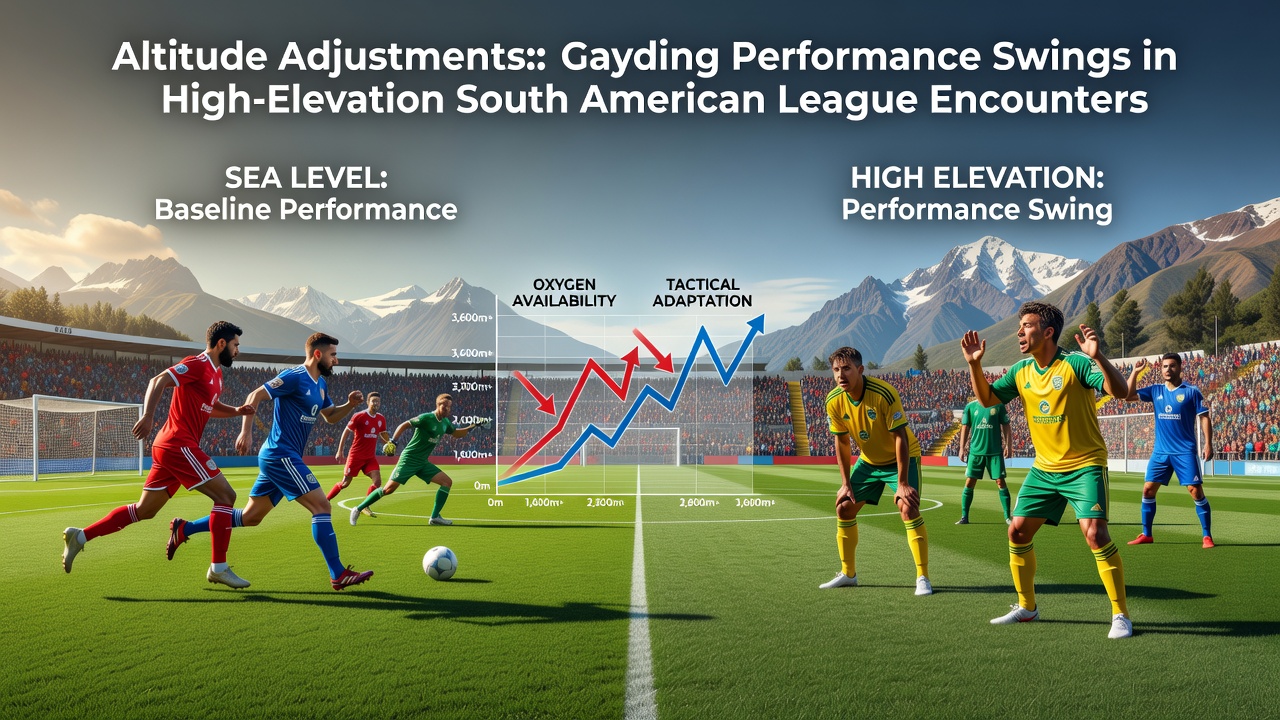
High-elevation venues across South America shape match outcomes in leagues such as Bolivia's Primera División and Ecuador's Serie A where stadiums sit above 2500 meters and oxygen levels drop sharply; players experience reduced aerobic capacity during intense efforts while teams that train regularly at these heights record measurable advantages in endurance metrics and recovery times. Data from the Bolivian Football Federation shows home sides in La Paz maintain possession longer and complete more high-intensity runs compared to visiting squads arriving from sea-level cities like Buenos Aires or Rio de Janeiro.
Physiological Responses at Elevation
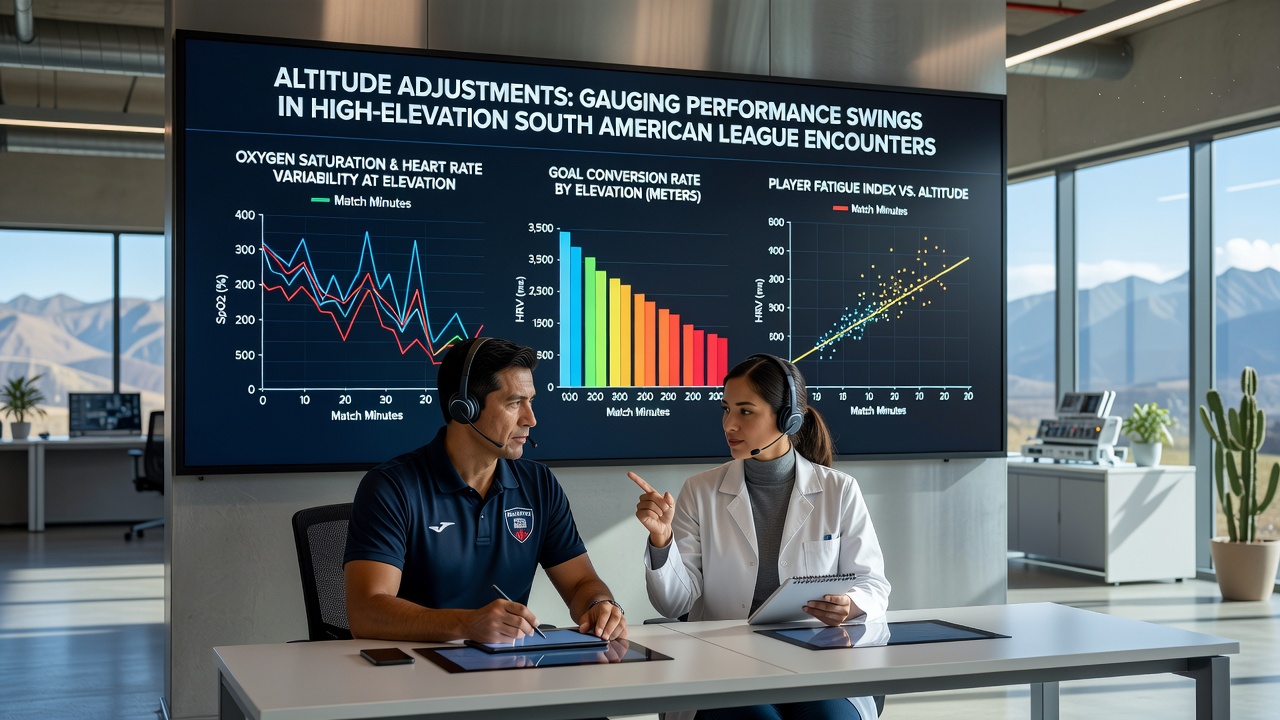
Reduced partial pressure of oxygen forces the body to increase breathing rate and heart output yet hemoglobin saturation falls within minutes of exertion; studies conducted by researchers at the Universidad Mayor de San Andrés document a 15 to 20 percent drop in VO2 max for unacclimatized athletes during the first 48 hours at 3600 meters. Teams schedule arrival several days early when possible yet fixture congestion often compresses that window and leaves players relying on supplemental oxygen between halves or during warm-ups. The physiological strain appears most pronounced in midfielders and forwards who cover greater distances and perform repeated sprints whereas goalkeepers and central defenders show smaller performance decrements according to GPS tracking systems used by clubs in the Liga Profesional Boliviana.
League-Specific Patterns in 2026
August 2026 fixtures in the Copa de la División Profesional highlight recurring trends where clubs based above 3000 meters post win percentages near 65 percent against lowland opponents in regular season play; aggregate statistics compiled by CONMEBOL technical staff indicate that goal tallies in these encounters average 2.1 per game compared with 2.8 in matches contested entirely below 1500 meters. Visiting squads from coastal regions in Peru and Chile frequently adjust tactics by shortening passing sequences and prioritizing set-piece situations where explosive power matters more than sustained aerobic output. One notable series of matches at Estadio Hernando Siles demonstrated that teams employing high-pressing schemes for the opening 15 minutes often fade sharply after the interval once lactate accumulation outpaces oxygen delivery.
Adaptation Strategies Employed by Clubs
Coaching staffs implement staged acclimatization camps in intermediate altitudes around 2000 meters before ascending further while nutrition protocols emphasize iron-rich meals and hydration schedules calibrated to combat hemoconcentration; clubs such as Club Bolívar and The Strongest maintain dedicated altitude training facilities that allow players to accumulate repeated exposures throughout the calendar year. Medical teams monitor arterial oxygen saturation via pulse oximetry during training sessions and adjust workload thresholds accordingly with data fed into periodization plans that reduce total running volume on match days. Visiting sides have begun incorporating portable altitude simulation tents during travel though regulatory limits on in-flight equipment restrict their use and many federations still rely on traditional methods of early arrival combined with light activation sessions upon landing.
Impact on Copa Libertadores and Sudamericana Ties
Cross-border knockout ties introduce additional variables because teams must balance domestic schedules with travel to venues such as Quito's Estadio Olímpico Atahualpa at 2850 meters or Potosí's 4000-meter stadiums; historical match logs reveal that second-leg results at altitude frequently reverse first-leg deficits when the higher-elevation side hosts the return fixture. Performance analysts note that substitutions occur earlier in these contests with coaches replacing central midfielders around the 60-minute mark to preserve intensity levels and that set-piece conversion rates rise as fatigue impairs organized defensive structures. Figures released by the South American Football Confederation indicate that matches played above 3000 meters average 4.2 yellow cards per game compared with 3.1 in lowland encounters suggesting referees encounter more physical challenges as players push physical limits.
Monitoring and Future Research Directions
National federations and university laboratories continue longitudinal studies tracking heart-rate variability and sleep quality across multi-week altitude blocks with preliminary findings pointing toward improved buffering capacity after four to six weeks of consistent exposure; organizations such as the International Olympic Committee maintain databases on altitude physiology while regional bodies in South America collaborate on standardized testing protocols for under-20 and senior national teams. Emerging wearable technology now provides real-time feedback on individual player responses allowing coaching staffs to tailor recovery intervals and fluid replacement during matches contested at these elevations. August 2026 schedules include several high-stakes encounters between Bolivian and Colombian sides where these monitoring tools will generate fresh datasets for performance modeling.
Conclusion
High-elevation venues in South American league play create distinct performance differentials rooted in oxygen availability and acclimatization status with home teams leveraging chronic exposure while visitors face compressed preparation windows. Ongoing data collection from federations and academic partners continues to refine tactical and medical approaches that mitigate these effects across domestic and continental competitions.