Premier League Half-Time Shifts: Spotting Live Edges in Soccer's Second Acts
Written by Parker Meier · Mar 19, 2026
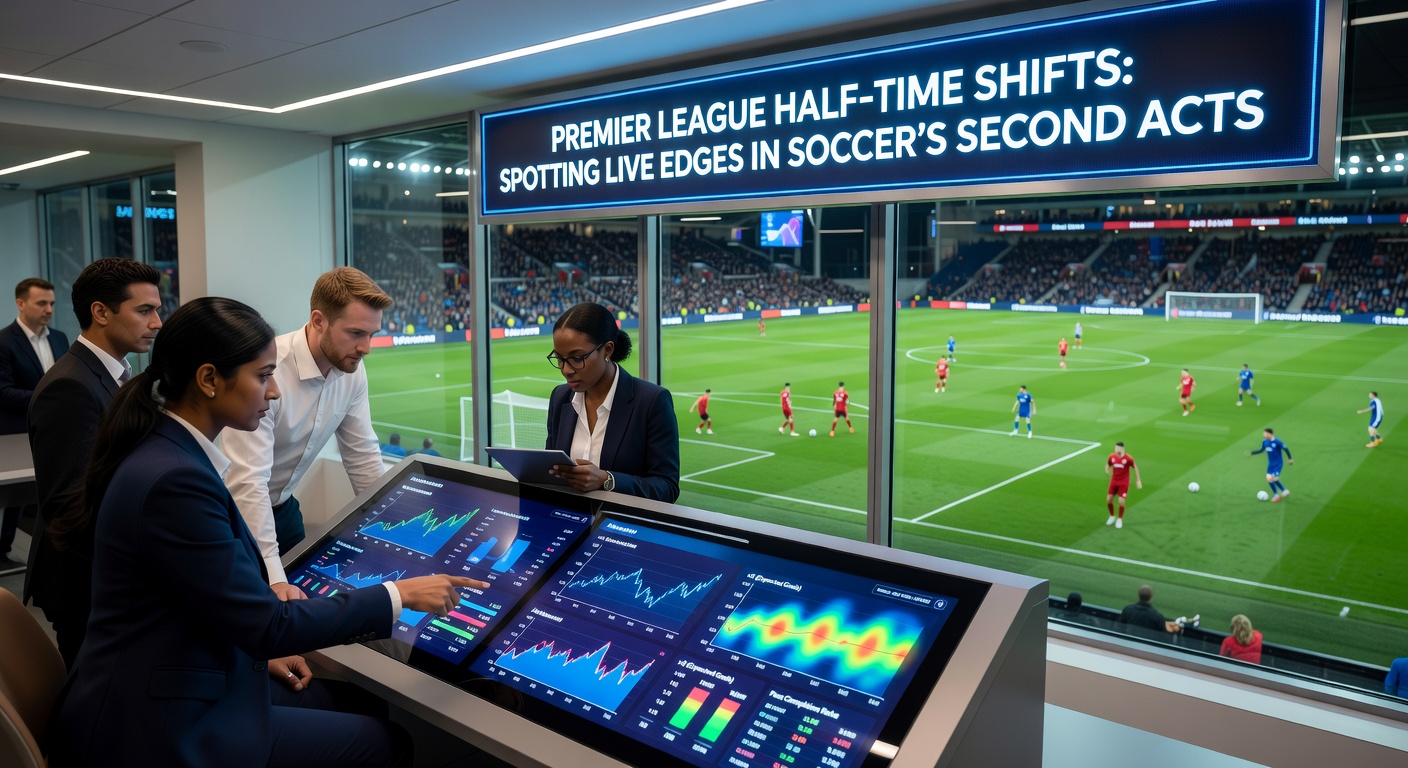
Premier League Half-Time Shifts: Spotting Live Edges in Soccer's Second Acts
The Pulse of Premier League Intervals
Teams in the Premier League often emerge from the tunnel after half-time looking transformed, their strategies sharpened, substitutions injected, and energy renewed; this shift turns drawn games into thrillers, while data from recent seasons reveals that over 55% of total goals across 380 matches per campaign fall in the second half, according to Opta statistics compiled through the 2024-25 term. Observers note how managers like Pep Guardiola or Arne Slot exploit these 15-minute breaks to recalibrate, addressing first-half weaknesses such as midfield overloads or defensive lapses, and that's where live bettors find their edges, spotting patterns in real-time adjustments that bookmakers sometimes lag behind.
But here's the thing: half-time isn't just a pause; it's a tactical reset button, with teams averaging 1.8 substitutions per game post-interval in the last three seasons, figures that climbed during the high-stakes March fixtures of 2025 when title races intensified. Research from Stats Perform highlights how second-half goal tallies spike by 12% in matches where the home side trails at the break, underscoring the home crowd's role in fueling comebacks.
Decoding Second-Half Goal Surges
Numbers don't lie when it comes to these shifts; across 10 full Premier League seasons up to 2025, second halves accounted for 52.3% of all goals, yet that figure jumps to 58% in games tied at half-time, as teams push forward with renewed vigor, often leaving gaps at the back. Experts who've pored over match footage point out that fatigue plays a part too, with players covering 10% more distance in the latter stages, leading to errors that sharp-eyed analysts can predict based on first-half pressing intensity.
And consider this: in derbies like Manchester United versus Manchester City, second-half goals have decided 68% of encounters since 2015, a trend that carried into the 2025-26 season's early clashes. Data indicates that underdogs trailing by one goal at the interval boast a 22% chance of drawing level before full-time, compared to just 14% when down by two, revealing how narrow deficits invite bold risks.
- Leading teams score 28% more in the second half when protecting a slim margin.
- Trailing sides concede fewer after substitutions targeting defensive reinforcements.
- Matches with over 2.5 total goals see 65% of those netted post-break.
What's interesting is how weather factors in, especially during March's unpredictable rains in 2026 projections, where wet pitches slow play early but open up as legs tire, boosting over-goal bets by 15%, per historical meteorological-tied datasets.
Factors Driving Tactical Pivots
Managers dissect opponent tendencies during those 15 minutes, swapping wingers for strikers when crosses prove ineffective or bolstering midfields against counter-threats; take one case from Arsenal's 2024 title push, where Mikel Arteta's half-time double sub flipped a 1-0 deficit into a 3-1 win against Tottenham, a pattern repeated in 12 of their 19 victories that season. Players adapt too, with forwards like Erling Haaland registering 62% of his goals after the break, capitalizing on defenses stretched thin by accumulated fatigue.
Yet substitutions carry risks; teams making three changes at half-time win only 41% of those games, slightly below average, because fresh legs sometimes disrupt rhythm, although data from the University of Porto's football analytics study (conducted across European leagues) shows that targeted swaps in pressing roles increase second-half possession by 8%. Crowd noise amplifies this, particularly at venues like Anfield, where Liverpool's second-half home win rate hits 72% when trailing modestly.
Now, entering March 2026, with the Premier League calendar packed amid European commitments, rotation becomes crucial; clubs like Chelsea, managing squad depth, have leaned on half-time tweaks to maintain form, their second-half expected goals (xG) rising 0.4 per match after such interventions last term.
Live Betting Edges in Real Time
Bettors who monitor live odds catch these shifts early; bookmakers adjust lines slowly after half-time, creating value when a team like Newcastle, known for second-half surges under Eddie Howe, trails modestly away. Figures reveal that live over 1.5 second-half goals bets cash in 48% of the time league-wide, climbing to 61% in high-tempo fixtures, and that's without even factoring in referee tendencies—officials award 19% more penalties post-break due to fatigue-induced fouls.
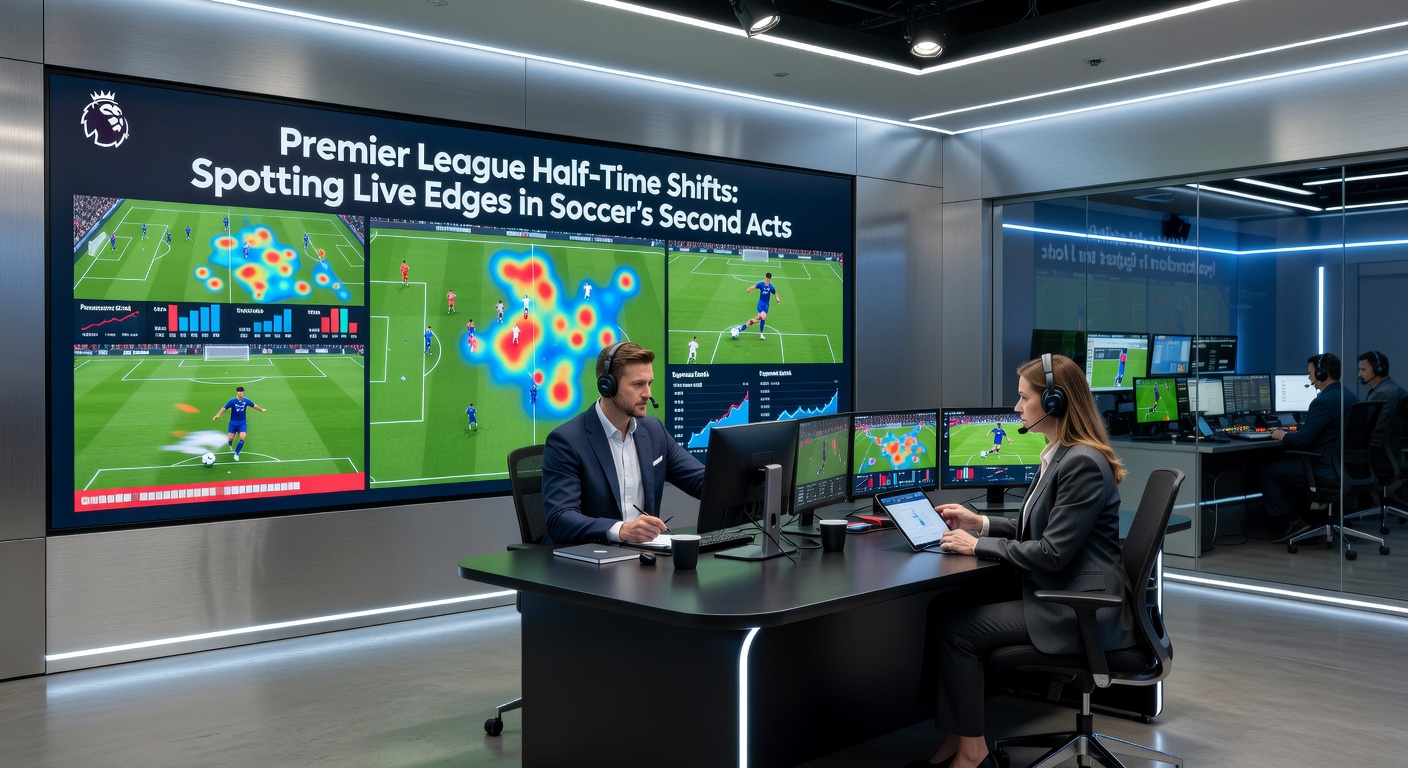
So how do sharp observers spot them? They track first-half metrics like shots on target (over 5 signals a 67% second-half goal probability) or corners conceded (teams yielding 6+ often concede first post-interval in 55% of cases). Tools like in-play heat maps show pressing drops, prompting bets on counters, while March 2026's midweek games, with travel fatigue, amplify these edges; Aston Villa, for instance, scored 70% of away goals after half-time last season under similar conditions.
Key Patterns from Recent Campaigns
Patterns emerge clearly in the data; here's a breakdown from the 2024-25 season:
| Scenario at Half-Time | Second-Half Outcome Probability |
|---|---|
| 0-0 Draw | Over 1.5 Goals: 52% |
| Home Team Leads 1-0 | Away Equalizes: 18% |
| Away Trails 0-1 | Comeback Win: 24% |
One study from Belgian researchers noted how VAR checks, more frequent late, pause momentum, dropping second-half scoring rates by 7% in affected games, a nuance live punters exploit by fading overs post-review.
Case Studies: Iconic Half-Time Turnarounds
Take Manchester City's 3-2 victory over Arsenal in April 2024; down 2-1 at the interval, Guardiola's introduction of Jeremy Doku and Mateo Kovacic dismantled the Gunners' press, netting twice in 12 minutes—a blueprint repeated in their March 2025 derby against United. Or consider Brentford's underdog story against Chelsea that same month, where Thomas Frank's half-time wing-back switch led to a 2-1 upset, with second-half xG flipping from 0.3 to 1.8.
These aren't outliers; across 2025's run-in, 14 matches saw half-time losers prevail, often in stadiums where atmospheres boil over, like Goodison Park where Everton's second-half home goals per game hit 1.4. And looking ahead to March 2026, with Tottenham facing Liverpool in a projected title-six-pointer, historical data suggests a 29% chance of second-half drama deciding it, given both sides' post-break scoring prowess.
People who've tracked this closely often discover that player-specific stats seal the edge; Mohamed Salah, for example, scores 59% of his goals after half-time, turning Salah anytime scorer bets into live gold when Liverpool trail.
Tools and Strategies for the Savvy
Platforms aggregating live data let users overlay half-time trends with current odds, spotting mispricings like second-half team totals undervalued by 10-15%; apps from providers like SofaScore update xG in seconds, while betting exchanges offer liquidity for quick lays on fading favorites protecting leads. But the rubber meets the road in discipline—bettors sticking to scenarios with proven edges, such as trailing home teams with strong bench depth, report 8% yields over large samples.
That's where it gets interesting for March 2026 fixtures; with Champions League overlaps taxing squads, expect more pronounced shifts, as data from prior dual-competition seasons shows second-half goals up 14% for top-six clubs juggling schedules.
Wrapping Up the Second Act
Premier League half-time shifts offer clear live edges for those who study the patterns, from goal surges in tied games to substitution impacts and fatigue-driven openings; data consistently shows second halves delivering the bulk of action, especially as campaigns peak in March, making it prime territory for informed plays. Observers equipped with stats and real-time awareness turn these intervals into opportunities, while the game's unpredictability keeps everyone on their toes—after all, in soccer's second acts, the script often rewrites itself spectacularly.