Rest Day Optimization Strategies for Soccer Fixture Congestion Periods
Written by Nils Franke · Nov 13, 2026
Rest Day Optimization Strategies for Soccer Fixture Congestion Periods
Fixture congestion in professional soccer creates periods where teams face multiple matches within short timeframes, often spanning weeks with limited recovery windows, and researchers have documented how these schedules intensify during November when domestic leagues overlap with international qualifiers. Data from major European leagues shows teams can play up to eight matches in a single month, forcing clubs to adopt structured rest day protocols that prioritize physiological recovery while maintaining competitive readiness.
Understanding the Demands of Congested Calendars
Modern soccer schedules pack fixtures together because of expanded competitions, television demands, and global tournaments, which means players experience repeated high-intensity efforts with minimal downtime between games. Studies tracking elite athletes reveal that match density increases injury risk by up to 25 percent when recovery falls below 72 hours, prompting organizations like UEFA to monitor player workload through centralized databases. In November 2026 the calendar again features dense blocks where Premier League sides compete alongside Champions League fixtures and national team windows, creating scenarios where squad rotation becomes essential rather than optional.
Physiological Monitoring and Individualized Planning
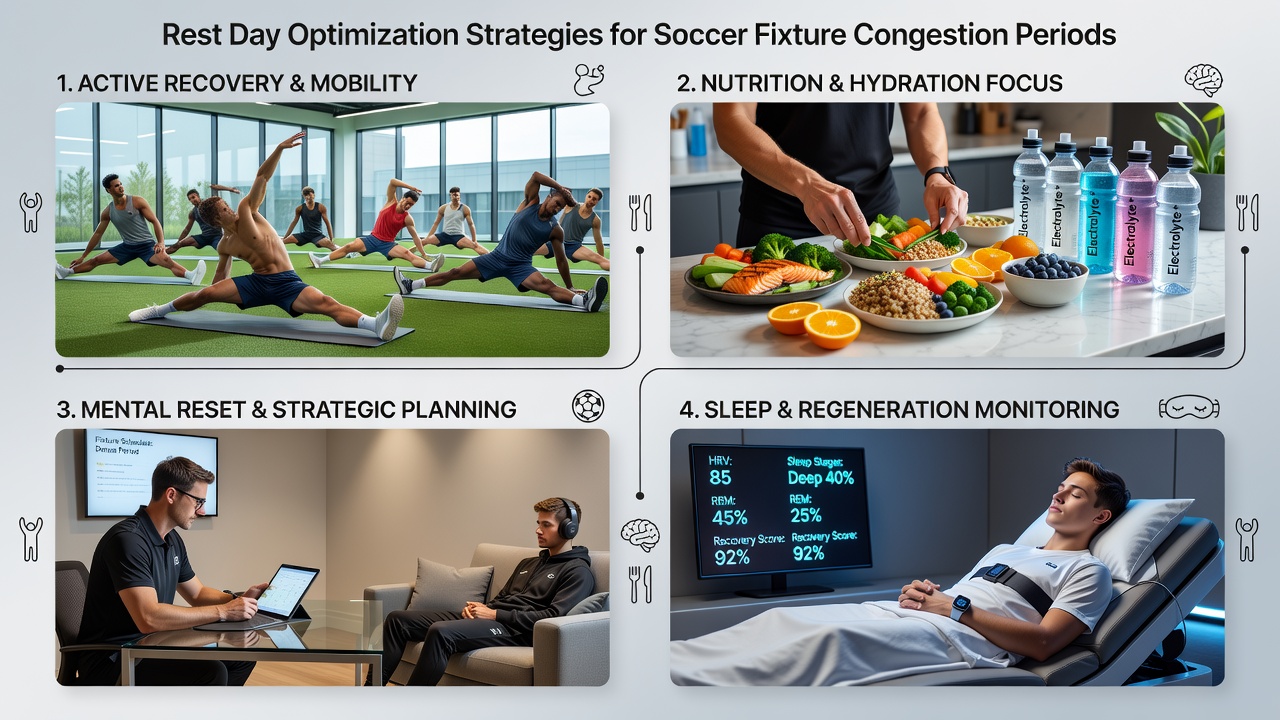
Clubs now rely on wearable technology and blood biomarkers to assess fatigue markers such as creatine kinase levels and heart rate variability before deciding rest allocations. Sports science teams at top clubs collect daily data that informs whether a player needs full rest, light activation, or active recovery sessions, and this approach stems from long-term research conducted by institutions including the Australian Institute of Sport. Observers note that personalized thresholds help prevent overtraining because each athlete responds differently to the same fixture load, allowing medical staff to adjust plans based on objective metrics rather than uniform rules.
Nutrition and Hydration Protocols
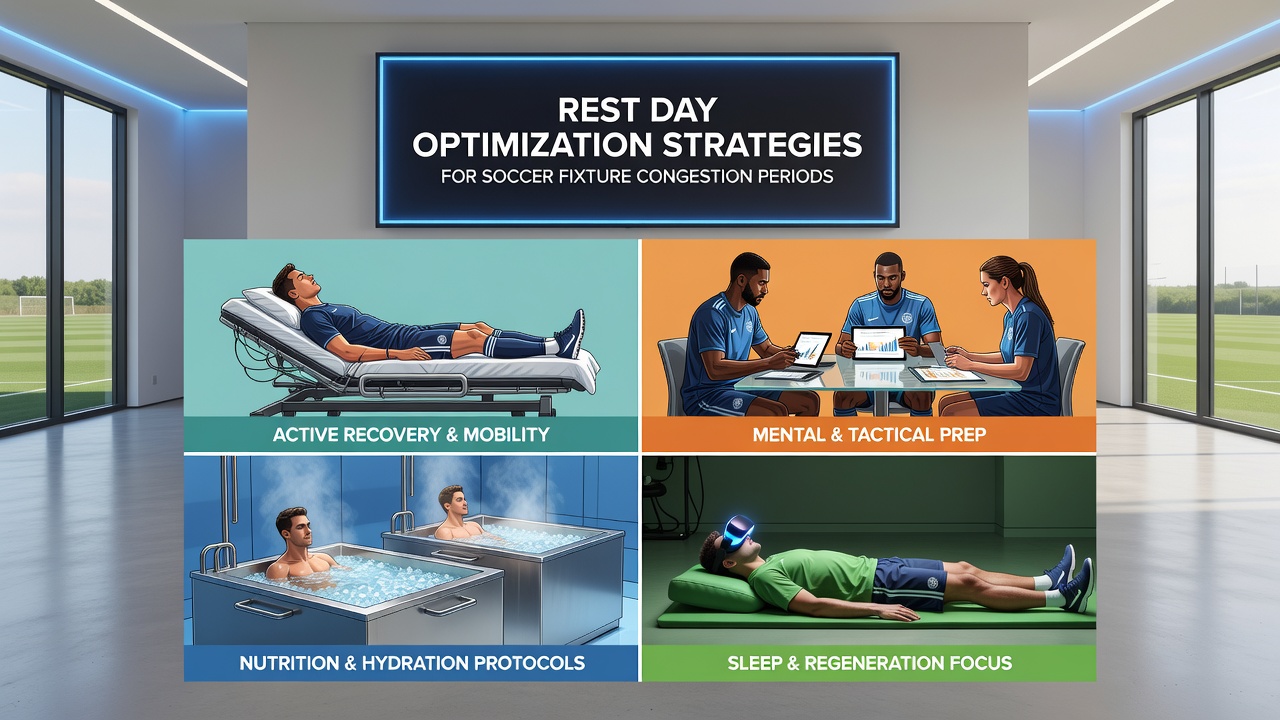
Rest days during congestion periods emphasize targeted nutrition that supports muscle repair and glycogen replenishment, with clubs providing meals rich in protein and carbohydrates timed around sleep cycles. Research published in the Journal of Sports Sciences indicates that players who consume 1.6 to 2.2 grams of protein per kilogram of body weight daily show faster recovery rates in repeated match scenarios, while hydration strategies focus on electrolyte balance to counteract fluid losses from prior games. Teams integrate these protocols into structured rest day schedules so athletes receive consistent fueling without the metabolic stress of training sessions.
Sleep Optimization and Circadian Management
Sleep serves as the primary recovery mechanism during congested periods, and clubs implement strict schedules that protect eight to nine hours of quality rest through controlled environments and reduced screen exposure. Data collected across multiple leagues demonstrates that even one night of sleep restriction below six hours can impair reaction time and decision-making on subsequent matchdays, which is why recovery coaches monitor sleep metrics via validated questionnaires and actigraphy devices. In practice, teams traveling across time zones during November blocks use light exposure adjustments and strategic napping to realign circadian rhythms before the next fixture.
Active Recovery and Movement Strategies
Rest days rarely mean complete inactivity because low-intensity activities such as swimming, cycling, or yoga maintain blood flow and reduce stiffness without adding significant load. Evidence from German Bundesliga medical departments shows that 30 to 45 minutes of active recovery performed 24 hours post-match accelerates lactate clearance compared with passive rest alone, and these sessions are often tailored to individual preferences to improve adherence. Clubs combine these movements with manual therapies including massage and compression garments, creating a layered approach that addresses both systemic and localized fatigue.
Psychological Recovery and Load Management
Mental fatigue accumulates alongside physical demands during fixture congestion, prompting teams to incorporate mindfulness sessions or controlled downtime that allows cognitive restoration. Longitudinal studies from Canadian universities tracking soccer academies found that athletes reporting higher perceived recovery scores performed better in subsequent high-pressure matches, highlighting the value of psychological interventions alongside physical protocols. Staff members therefore schedule quiet periods, team bonding activities, and access to counseling services as integral components of the rest day framework.
Conclusion
Effective rest day optimization during soccer fixture congestion relies on integrated strategies that combine monitoring technology, nutrition timing, sleep protection, active recovery, and psychological support. Clubs that implement these evidence-based approaches maintain squad availability across demanding November schedules and beyond, demonstrating how structured planning translates directly into sustained performance throughout the season.