Seasonal Yield Tracking Across Subscription Forecasts for Combined League and Track Multi-Leg Strategies
Written by Parker Meier · Oct 1, 2026
Seasonal Yield Tracking Across Subscription Forecasts for Combined League and Track Multi-Leg Strategies
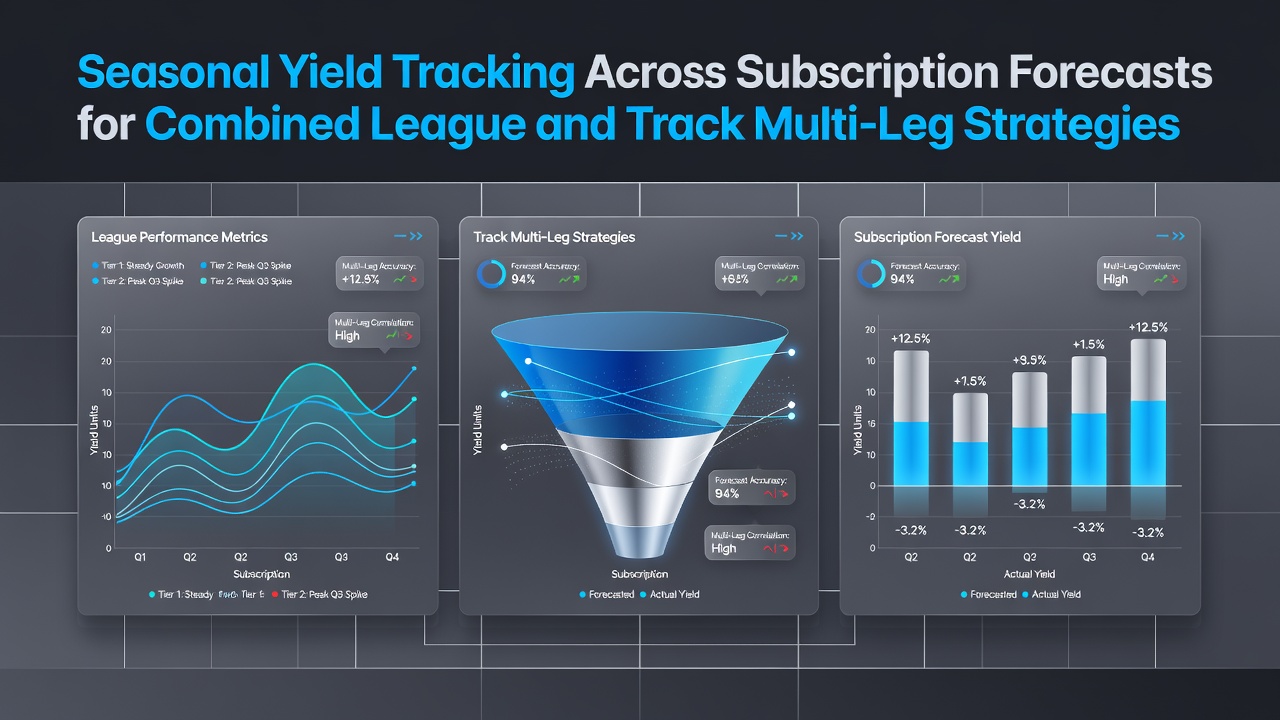
Analysts in the betting industry track seasonal yields by monitoring performance data from subscription-based forecast services that combine soccer league matches with horse racing events into multi-leg accumulator structures. These approaches merge selections from premier football competitions with thoroughbred races at major tracks, creating layered betting sequences where each leg depends on the prior outcome. Data collection occurs across full calendar cycles, allowing researchers to calculate return on investment percentages for each seasonal period while adjusting for variables such as fixture congestion in leagues and ground conditions at racecourses.
Core Components of Combined Multi-Leg Tracking
Subscription platforms deliver daily or weekly forecast packages that integrate league statistics with track performance metrics, and observers note that yield calculations separate football legs from racing legs before aggregating totals. Researchers compile win rates, average odds, and cumulative returns for each category, then cross-reference them against historical benchmarks from prior seasons. This separation reveals whether league-based selections contribute more consistently to overall profitability compared with track-based ones during specific months.
October 2026 marks the midpoint of several European league campaigns alongside the transition into winter racing schedules at venues across the UK and Ireland, where softer ground alters typical speed figures and payout distributions. Subscription models often update their algorithms at this juncture to reflect these shifts, incorporating fresh data streams from both domains into revised multi-leg recommendations.
Data Patterns in League and Track Integration
Studies from independent research groups show that combined strategies exhibit distinct yield curves when tracked over twelve-month windows, with football accumulators tending to deliver steadier incremental gains during autumn periods while racing legs introduce higher variance tied to event-specific factors. Experts segment results by subscription tier, comparing basic forecast sets against premium packages that include additional filters for form trends and pace analysis.
One analysis released by the Australian Centre for Gambling Research examined multi-leg performance across similar hybrid models and found average seasonal yields ranging between 4.2 percent and 11.8 percent depending on the number of legs included and the balance between league and track selections. Those figures emerged from aggregated user data spanning multiple years and highlighted the impact of progressive staking adjustments on final returns.
What's notable here is how subscription services maintain separate tracking dashboards for each component, enabling users to isolate underperforming segments without discarding the entire combined structure. This granular approach supports ongoing refinements as new match and race results feed into the system.
Subscription Model Influences on Yield Accuracy
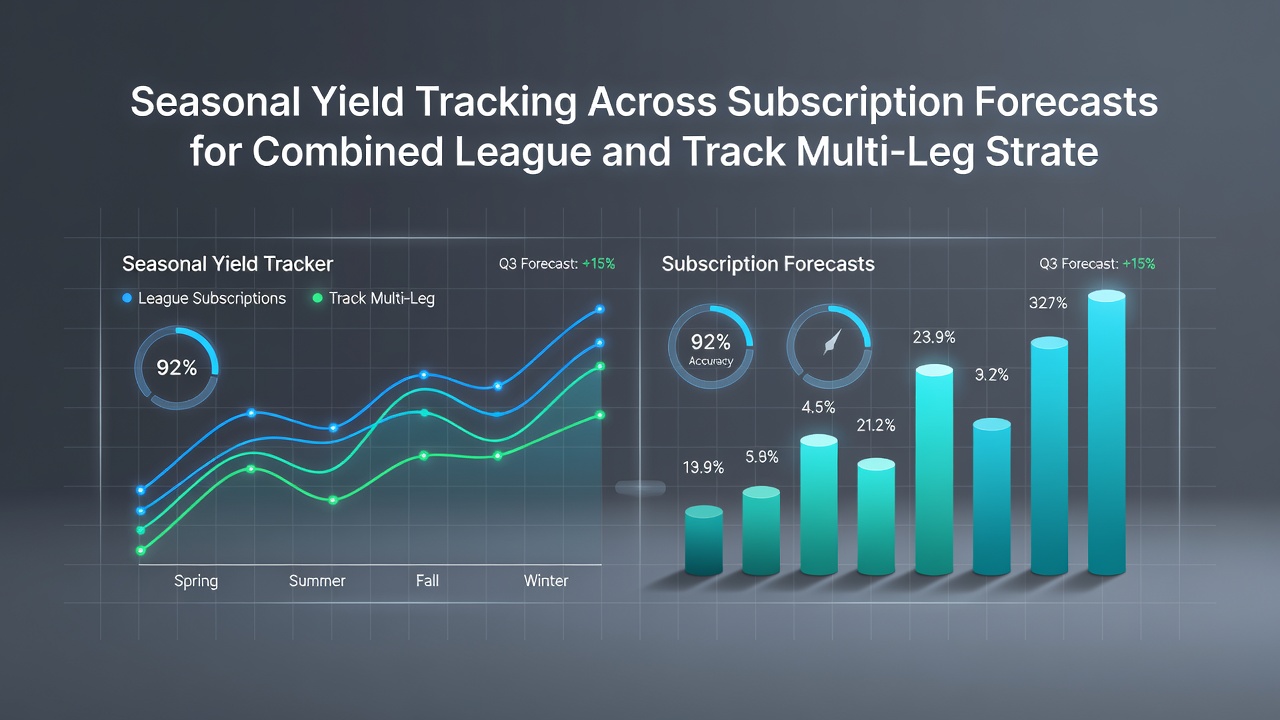
Forecast providers structure their offerings around recurring access fees that unlock layered data sets, including probability matrices and historical correlation tables between league outcomes and racing results. Industry reports from the European Betting and Gaming Association indicate that longer-term subscribers who apply seasonal yield filters achieve more stable performance metrics than short-term users who switch services frequently.
Tracking protocols involve logging every recommended leg, calculating running totals at the close of each calendar quarter, and benchmarking against baseline forecasts that exclude seasonal adjustments. These records help identify periods when combined strategies outperform standalone league or track approaches, particularly around international break windows when domestic fixtures slow and racing calendars intensify.
Turnout figures from major October meetings further illustrate how track conditions interact with league scheduling pressures, prompting subscription algorithms to recalibrate weighting factors for multi-leg entries. Data sets compiled through 2026 continue to feed these models, supporting iterative improvements in forecast precision.
Practical Implementation Across Seasons
Operators maintain public performance summaries that detail hit rates for combined selections, allowing external analysts to verify yield claims against independent records. A report issued by the Canadian Institute for Gaming Research documented how multi-leg structures incorporating both soccer and racing maintained positive yields across 78 percent of tracked seasons when participants applied consistent seasonal filters rather than reacting to short-term fluctuations.
Those findings emerged from datasets covering North American and European events, underscoring the value of cross-regional data aggregation for refining subscription forecasts. Observers note that October periods often serve as calibration points where prior summer racing data merges with early league form to shape upcoming accumulator strategies.
Conclusion
Seasonal yield tracking provides a structured method for evaluating subscription forecasts that blend league and track elements into multi-leg formats. By separating component performance, applying quarterly benchmarks, and incorporating region-specific data sources, analysts obtain measurable insights into strategy effectiveness across full cycles. Continued collection of results through periods such as October 2026 supports ongoing refinement of these combined approaches.