Squad Depth Utilization During International Windows: Effects on Midweek Domestic League Outcomes for Multi-Bet Strategies
Written by Nils Franke · Jul 21, 2026
Squad Depth Utilization During International Windows: Effects on Midweek Domestic League Outcomes for Multi-Bet Strategies
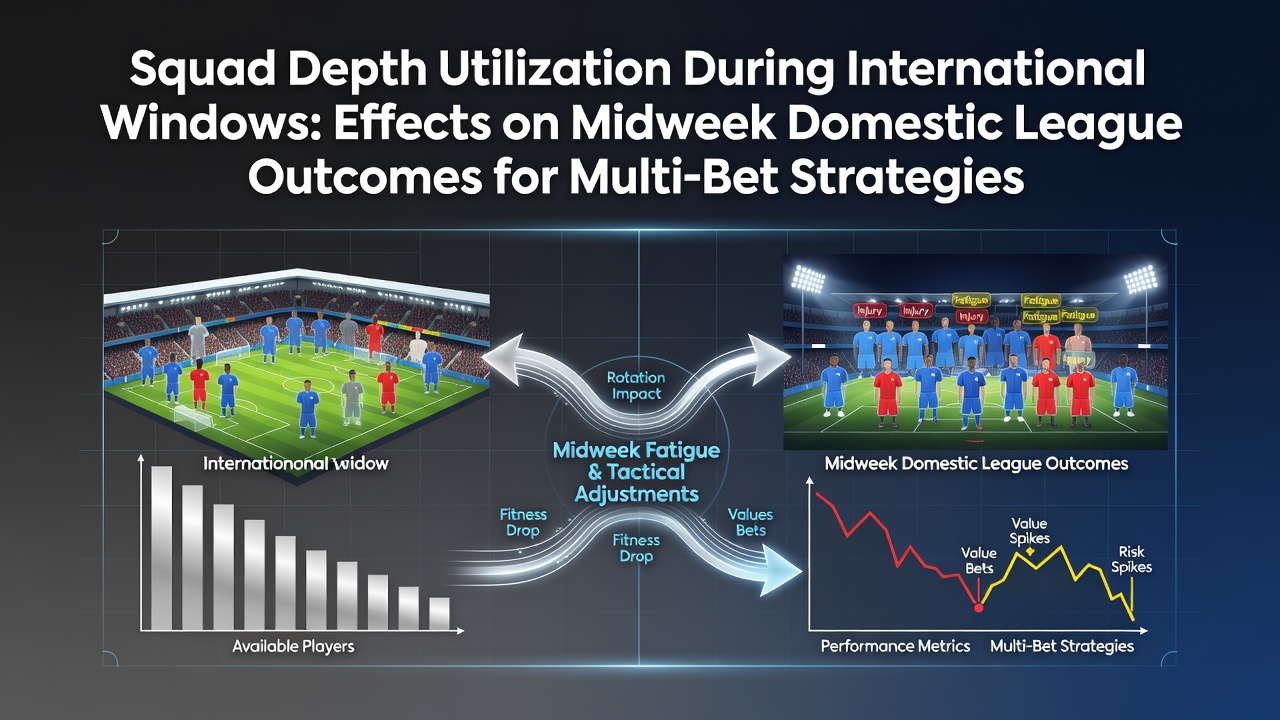
International windows create distinct patterns in domestic league schedules because national team call-ups remove key players for extended periods while midweek fixtures still demand full squads. Clubs respond by activating squad depth, which means rotating fringe players and academy prospects into starting lineups during those congested weeks. Data from multiple European leagues shows measurable shifts in goals scored, clean sheet rates, and points per game when teams rely on less experienced personnel. Observers note that these changes influence betting markets, particularly multi-bet strategies that combine several matches into single wagers.International Call-Ups and Fixture Congestion Patterns
Leagues across Europe and South America typically pause for FIFA and confederation windows in March, June, September, October, and November, yet some divisions schedule midweek domestic games immediately after players return. In July 2026, attention will focus on the FIFA World Cup in North America, which extends the summer window and forces clubs to plan rotations earlier than usual. Teams with larger squads often maintain training intensity through the break by integrating reserve players, whereas shallower squads face greater disruption upon return. Figures from league-wide tracking systems indicate that matches played within 72 hours of international duty produce different statistical profiles compared with standard weekend fixtures.
Rotation Strategies and Performance Metrics
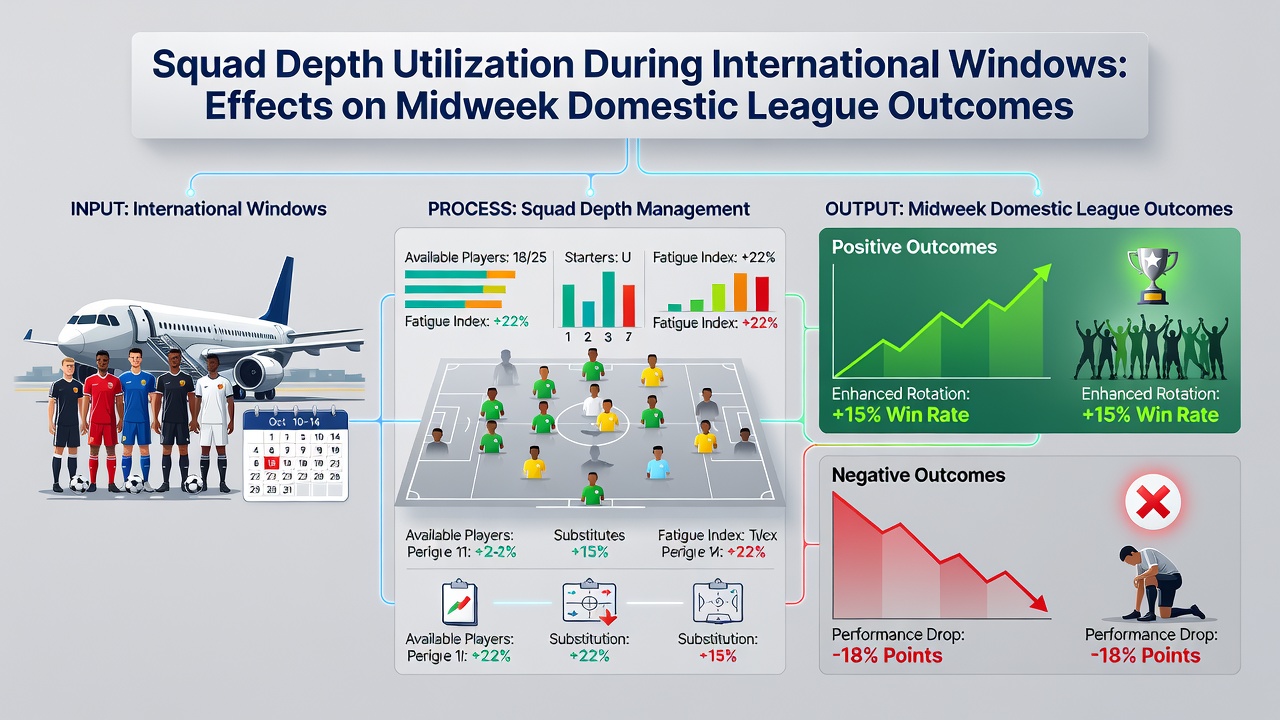
Coaches activate squad depth through several approaches: starting multiple fringe midfielders, shifting full-backs into central roles, or giving minutes to young forwards who have featured in cup ties. Performance data reveals that teams rotating more than four players after a window record lower expected goal totals in the subsequent midweek round. Conversely, sides that keep at least six regular starters available tend to sustain their season-long averages for shots on target and pass completion. Researchers examining Bundesliga and Serie A datasets have found that defensive units suffer most when centre-backs are absent, leading to elevated big-chance creation for opponents. These patterns supply raw material for multi-bet constructors who weigh squad news against fixture lists.
Impact on League Outcomes in Midweek Rounds
Midweek domestic matches following international breaks exhibit wider scoreline variance because rested players sometimes lack match sharpness while rotated players bring variable form. League tables from the 2024-25 and 2025-26 seasons show that home sides using five or more depth options win fewer points per game than their season average, whereas away teams with strong benches occasionally secure unexpected draws. Tracking companies record higher foul counts and lower pass accuracy in these fixtures, which correlates with increased card markets and under-total outcomes in certain leagues. Multi-bet strategies incorporate these variables by cross-referencing squad lists released 48 hours before kickoff with historical performance splits.
Multi-Bet Construction Using Depth Indicators
Accumulators and same-game multis gain an informational edge when bettors examine which clubs have the greatest number of players returning from international duty. Data providers publish availability reports that list minutes played abroad, travel distances, and recovery timelines. Bettors then compare these figures against club squad sizes published on official websites. One documented approach pairs an over-total selection from a team with deep bench options against an under-total from a squad forced into heavy rotation. Another combines both-teams-to-score bets when defensive depth is thin on both sides. Industry reports from sports analytics firms indicate that these layered selections require continuous monitoring because lineups can shift right up to deadline.
Regional Variations Across Competitions
English Championship sides often rely on loanees and youth graduates during September and October windows, producing higher draw percentages than Premier League counterparts with larger academies. In contrast, South American leagues face longer travel times for national team duty, which amplifies fatigue effects when clubs resume domestic play. Australian A-League matches scheduled after Asian Cup windows show similar patterns, with teams that retain core defenders maintaining cleaner sheets at elevated rates. Observers compiling cross-league datasets note that multi-bet builders adjust stake distribution according to these regional differences rather than applying uniform models.
Data Sources and Tracking Tools
Comprehensive analysis draws on multiple inputs including official club announcements, confederation call-up lists, and performance databases maintained by organizations such as FIFA's technical department. Additional context comes from academic studies hosted by institutions like the University of Queensland sports science unit, which examines player recovery across hemispheres. These resources allow systematic comparison of squad utilization rates without relying on single-league samples. Continuous updates throughout July 2026 will refine models ahead of the expanded international calendar surrounding the World Cup.
Conclusion
Squad depth utilization during international windows produces measurable effects on midweek domestic league results that extend into multi-bet strategy construction. Performance splits, rotation counts, and regional travel factors combine to create distinct outcome distributions compared with standard scheduling. Those constructing accumulators incorporate availability reports, historical splits, and league-specific patterns to align selections with observed trends. As the 2026 calendar advances, updated datasets will continue to inform how depth decisions translate into fixture results across multiple competitions.